Engineering Student Arrested for Ramming SUV into Scooter in Gurgaon: A Tragedy That Claims Two Lives
A quiet evening in Gurgaon’s Sector 57 turned into a scene of unimaginable horror, resulting in a tragic loss of life and raising urgent questions about road safety, accountability, and youth responsibility. In an incident that has sent shockwaves through the city, a 21-year-old engineering student, Akrit Yadav, has been arrested for allegedly driving his SUV on the wrong side of the road and crashing into a scooter, killing two young men. This comprehensive report delves into the details of the accident, the ongoing investigation, and the broader societal implications of such preventable tragedies.
The Fateful Night in Sector 57: A Timeline of the Accident
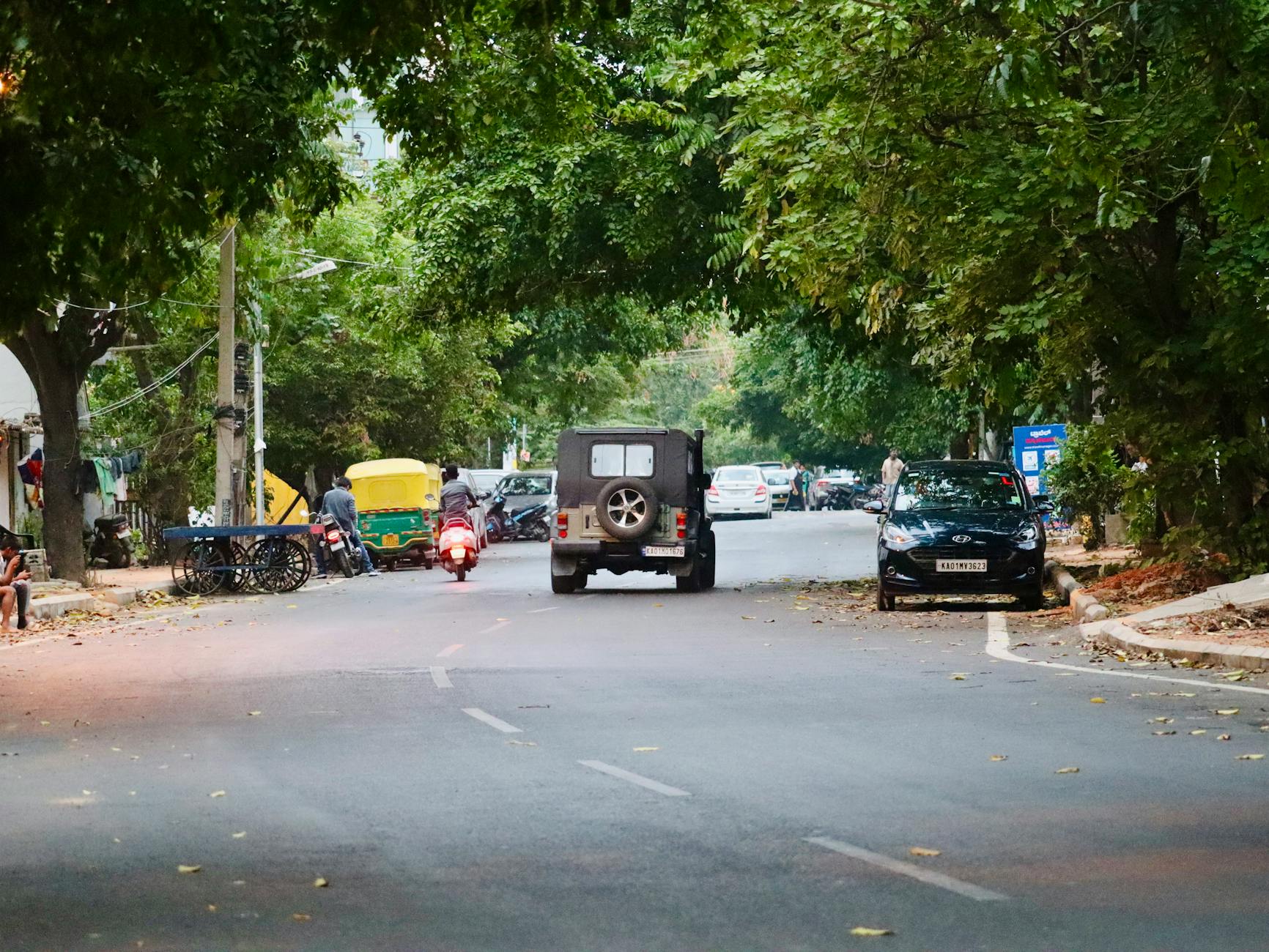
According to police reports and eyewitness accounts, the accident occurred when Akrit Yadav, behind the wheel of a Mahindra Thar SUV, was driving recklessly in the wrong direction on a road in Sector 57. In a head-on collision, the SUV rammed into a scooter carrying two individuals. The impact was catastrophic, leading to the immediate death of both scooter riders, identified as young men with their lives ahead of them.
Eyewitnesses played a crucial role in the immediate aftermath. They not only reported the wrong-side driving but also noted suspicious behavior from the SUV driver. A key detail that emerged was that the driver was seen discarding a bottle from the vehicle shortly after the crash. This act prompted suspicion of possible alcohol consumption, a factor that is now a central part of the police investigation. The prompt response from bystanders and local authorities led to the swift apprehension of the accused at the scene.
The Accused and the Investigation: Unraveling the Circumstances
Profile of the Accused Driver
Akrit Yadav, a 21-year-old engineering student, now finds himself at the center of a legal and moral storm. His arrest under sections of the Indian Penal Code (IPC) pertaining to culpable homicide not amounting to murder and relevant sections of the Motor Vehicles Act marks a serious turn in his life. The case highlights a disturbing trend of young, often inexperienced drivers, operating powerful vehicles, sometimes under the influence of alcohol or with a blatant disregard for traffic laws.
Key Focus of the Police Probe
The Gurgaon Police investigation is pursuing multiple angles:
- Alcohol Consumption: The discarded bottle is a critical piece of evidence. Forensic tests and witness statements are being used to determine if the driver was intoxicated at the time of the accident.
- Wrong-Side Driving: The deliberate act of driving against the flow of traffic is a severe traffic violation and a direct cause of the collision. Police are verifying the accused’s route and intent.
- Reckless and Negligent Driving: Beyond the wrong-side driving, authorities are examining the overall speed and behavior of the SUV prior to the crash.
- Vehicle Condition and Ownership: The status of the vehicle and the driver’s license are also under scrutiny.
Beyond the Headlines: The Systemic Issues in Urban Road Safety
While this specific case involves an individual’s alleged actions, it serves as a stark reminder of systemic failures in urban road safety, particularly in bustling metros like Gurgaon.
The Menace of Wrong-Side Driving
Wrong-side driving, or “counter-flow driving,” is a shockingly common and deadly practice on Indian roads. It is often a shortcut taken for convenience, with drivers blatantly ignoring the extreme danger it poses. This incident in Sector 57 is a tragic example of how this illegal maneuver can have fatal consequences in an instant.
Youth, Powerful Vehicles, and Responsibility
The intersection of young drivers and high-performance vehicles like SUVs is a growing concern. Factors such as peer pressure, a sense of invincibility, and sometimes, inadequate training or respect for traffic norms can create a lethal combination. This tragedy forces a conversation about parental responsibility, driver education programs, and the ethical weight of operating a machine capable of causing immense harm.
Enforcement and Deterrence
This case tests the robustness of legal enforcement. Will the charges lead to swift and commensurate justice? The effectiveness of the judicial process in such cases acts as a key deterrent. Strong legal outcomes are necessary to send a clear message that reckless driving leading to death will be met with severe punishment.
Legal Framework and Potential Consequences
The accused faces serious charges. Under the IPC, Section 304 (culpable homicide not amounting to murder) can lead to imprisonment up to 10 years or life, depending on the proven intent and negligence. The Motor Vehicles Act (Amendment 2019) prescribes stringent penalties for offenses like drunk driving and dangerous driving causing death. The legal journey will involve evidence collection, forensic reports, witness testimonies, and court proceedings that will ultimately decide the outcome.
A Call for Collective Action: How to Prevent Future Tragedies
Honoring the memory of the two lives lost requires more than just a criminal trial; it demands a societal commitment to change.
- Strengthened Traffic Policing: Increased deployment of traffic cops, especially at vulnerable points, and the use of technology like CCTV and dashcams to penalize wrong-side driving and speeding.
- Zero-Tolerance for Drunk Driving: Regular and well-publicized checking drives, especially during nights and weekends.
- Revamped Driver Education: Integrating rigorous road safety and ethical driving modules into school curricula and driving license tests.
- Public Awareness Campaigns: Harnessing media and community programs to constantly highlight the devastating human cost of reckless driving.
- Community Vigilance: Encouraging citizens to responsibly report dangerous driving behavior through official channels.