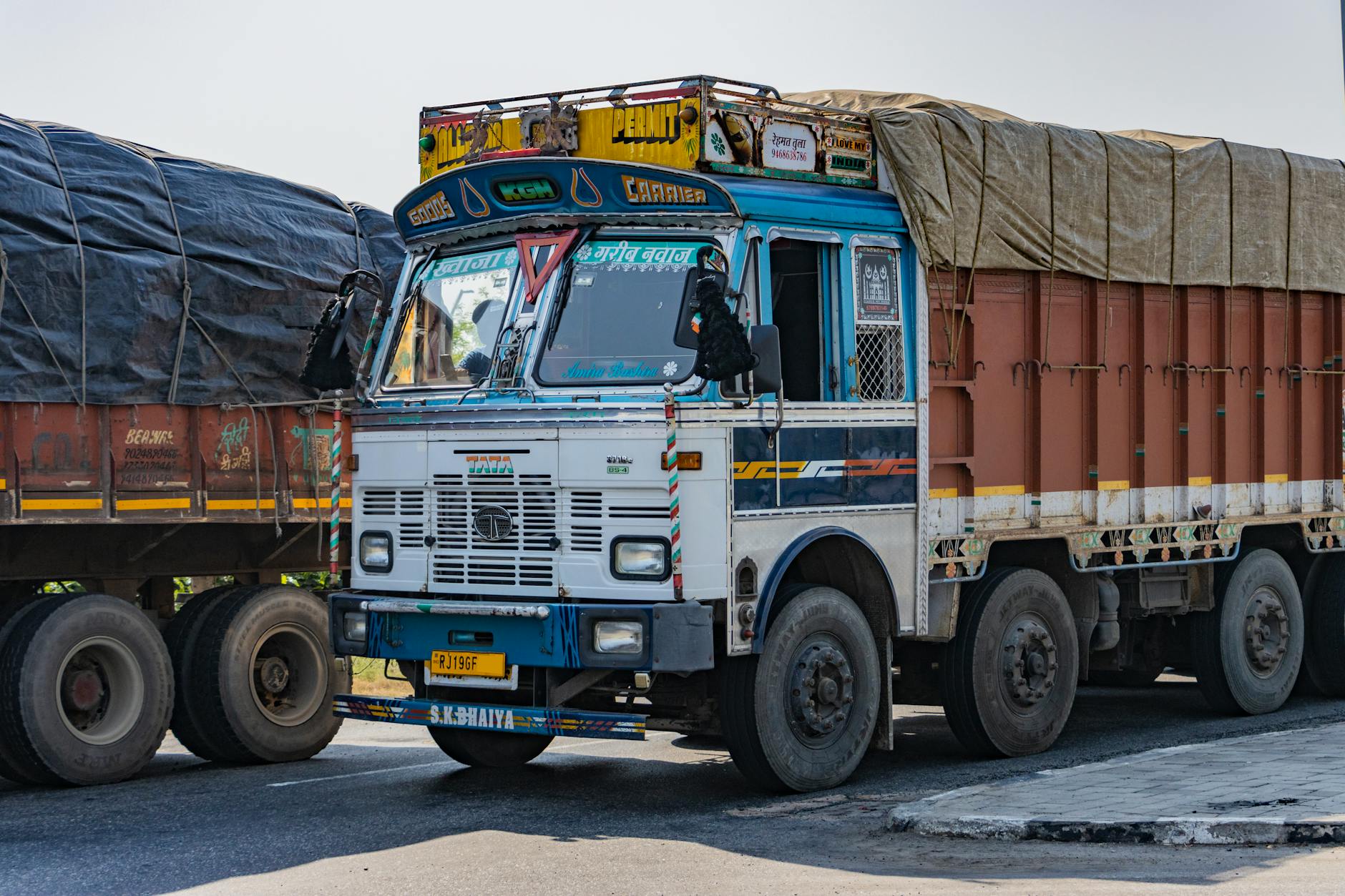
In a significant move to enhance logistics infrastructure and road safety, the Odisha state government has announced plans to construct 23 modern truck terminals along national highways across the state. Transport Minister Bibhuti Bhushan Jena confirmed the development on Thursday, stating that the project is in its final stages of construction. The terminals are designed to provide organized parking spaces and essential rest facilities for truck drivers and helpers, addressing long-standing issues of congestion and driver fatigue on major routes.
Project Details and Objectives
The primary aim of the initiative is to offer safe, dedicated halting points for long-haul vehicles, reducing the need for roadside parking that often leads to traffic bottlenecks and safety hazards. According to Minister Jena, the terminals will be equipped with designated truck bays, restrooms, food facilities, and lodging arrangements. “The project is expected to boost freight movement efficiency and road safety across major highways,” he stated in a social media post. Each terminal will serve as a comprehensive rest stop, ensuring that drivers have access to basic amenities and secure parking.
The project is part of a broader state government focus on strengthening logistics infrastructure, driven by increasing freight traffic due to rising industrial and mining activities. By providing organized spaces, the terminals aim to minimize accidents caused by driver fatigue and improve overall convenience for the trucking community. Additionally, the terminals are expected to benefit local economies along the highways by attracting ancillary services and creating employment opportunities.
Execution and Contractor Oversight
The construction of the 23 truck terminals has been assigned to the National Highways Logistics Management Ltd (NHLML), a central government agency specializing in logistics infrastructure. However, Minister Jena expressed dissatisfaction with the pace of work at several sites. In a stern warning to the contracting agency, he emphasized that delays would not be tolerated. “Despite repeated directions, progress has not been satisfactory at some locations. Any further delay will not be tolerated,” Jena said.
To ensure timely completion, the transport minister directed his department to explore the option of assigning the remaining work to a new agency if the present contractor fails to meet the deadline. This proactive stance underscores the government’s commitment to delivering the project without further setbacks. Officials noted that the terminals are strategically located to provide maximum coverage along key freight corridors, making them critical nodes in Odisha’s logistics network.
Impact on Road Safety and Efficiency
The introduction of these terminals is expected to significantly improve road safety by reducing the prevalence of trucks parked haphazardly on highway shoulders. Such parking practices often contribute to accidents, especially during nighttime or in low-visibility conditions. By offering secure, off-road parking, the terminals will help drivers rest adequately, lowering the risk of fatigue-related incidents. Furthermore, the organized layout of each terminal—featuring designated bays and amenities—will streamline the movement of trucks, reducing congestion at entry and exit points.
From an efficiency standpoint, the terminals will facilitate smoother freight operations by providing reliable halting points where drivers can access food, restrooms, and lodging without detouring into urban areas. This is particularly beneficial for long-haul routes connecting industrial hubs and mining regions, where uninterrupted travel is essential for timely deliveries. The project aligns with national efforts to modernize logistics infrastructure and support economic growth through improved transportation networks.
Broader Context
Odisha’s focus on truck terminals reflects a growing recognition of the need for organized logistics facilities across India. With the rise of e-commerce, manufacturing, and resource extraction, the demand for efficient freight movement has intensified. The state government’s initiative is part of a larger strategy to enhance highway infrastructure, complementing ongoing road widening and maintenance projects. Once completed, the 23 terminals will serve as a model for similar developments in other regions, potentially reducing the strain on existing facilities and improving the quality of life for truck drivers.
However, the primary focus remains on the truck terminal project, which is expected to yield long-term benefits for both the transport sector and local communities. As construction progresses, the government will continue to monitor contractor performance and ensure adherence to deadlines.