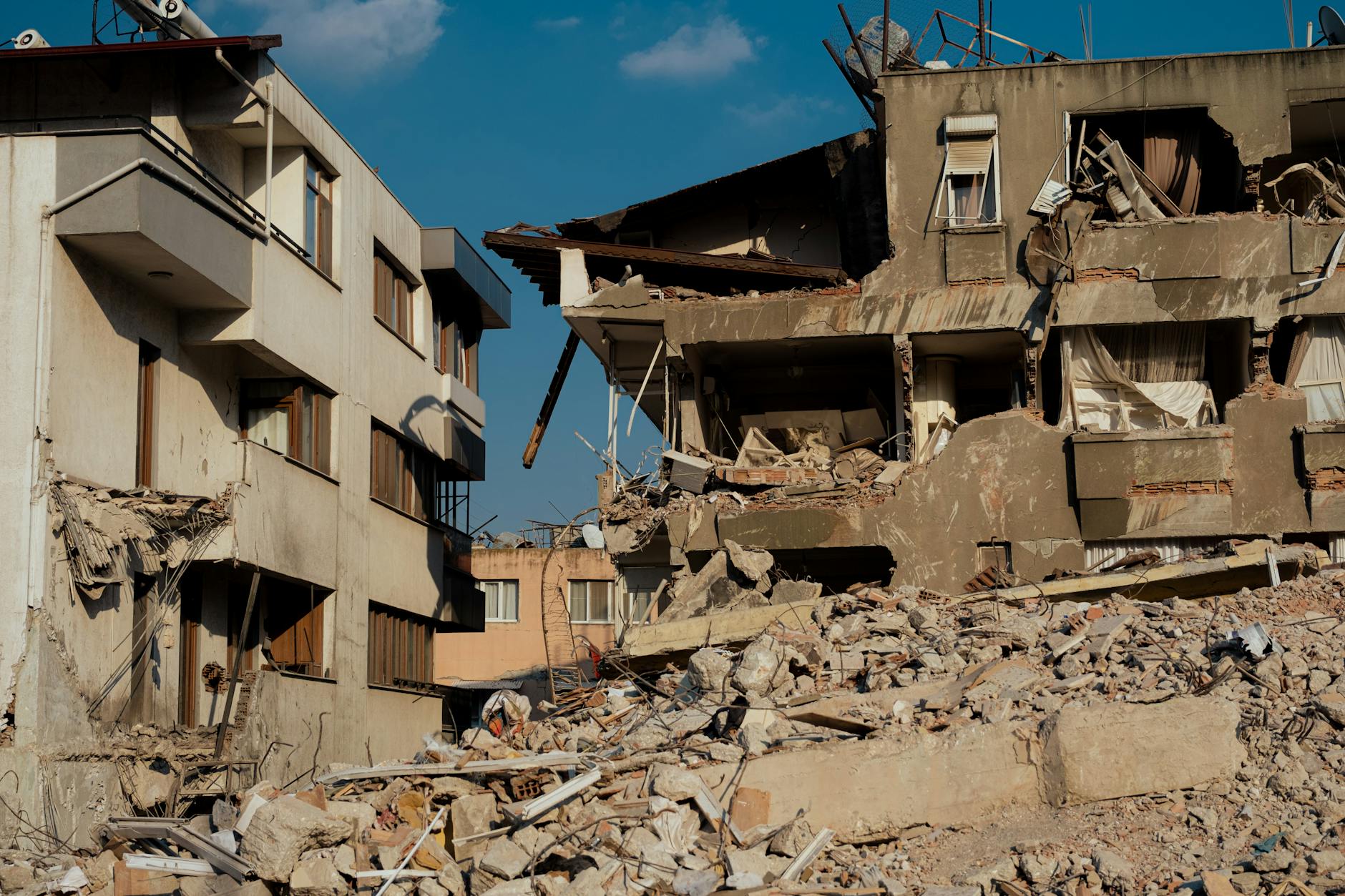
Assam Earthquake: Magnitude 4.3 Tremor Jolts Cachar District, No Damage Reported
A mild yet perceptible earthquake, measuring magnitude 4.3 on the Richter scale, struck the northeastern state of Assam on Sunday morning, sending tremors through the Cachar district. The seismic event, recorded at 09:21:58 Indian Standard Time (IST), served as a fresh reminder of the region’s dynamic and vulnerable geology. According to initial reports from the National Center for Seismology (NCS), no immediate damage to property or casualties have been reported, bringing a sigh of relief to residents and authorities alike.
Seismic Specifics: Pinpointing the Epicentre
The earthquake’s origin was precisely located, providing crucial data for seismologists. Key parameters of the tremor include:
- Magnitude: 4.3
- Date & Time: Sunday, 09:21:58 IST
- Epicentre: Cachar district, Assam. Geographical coordinates: Latitude 24.659°N and Longitude 92.763°E.
- Depth: A shallow 5 kilometres below the earth’s surface.
The shallow depth of the quake is a significant factor. Earthquakes originating at shallow depths (typically less than 70 km) tend to produce more intense shaking at the ground level compared to deeper quakes of similar magnitude, as the seismic energy has less distance to dissipate. The fact that this tremor, despite its shallow nature, did not cause damage underscores its moderate intensity but also highlights the potential for more significant events in the region.
Understanding the Seismic Context of Northeast India
To fully comprehend the occurrence of this earthquake, one must look at the larger tectonic canvas of Northeast India. The region is one of the most seismically active zones in the world, classified as Seismic Zone V—the highest risk category in India’s seismic zoning map.
The Tectonic Forces at Play
This high activity is primarily driven by the complex and convergent collision of two massive tectonic plates:
- The Indian Plate: This plate is continuously moving northwards at a geologically rapid pace.
- The Eurasian Plate: The immovable obstacle to the north.
The relentless northward thrust of the Indian Plate into the Eurasian Plate is responsible for the creation of the Himalayan mountain range and generates immense tectonic stress. This stress accumulates along numerous fault lines and is periodically released in the form of earthquakes. Cachar district, like much of Assam, sits on the seismically turbulent Assam Shelf, which is crisscrossed by several active faults, making it susceptible to such tremors.
Historical Precedence: A Region Shaped by Quakes
The memory of massive earthquakes looms large in Assam’s history. The Great Assam-Tibet earthquake of 1950 (magnitude 8.6) remains one of the most powerful continental quakes ever recorded. More recently, the 2021 Assam earthquake (magnitude 6.4) near the Nagaon-Sonitpur border caused significant damage and anxiety. The frequent minor to moderate tremors, like the recent Cachar event, are often considered part of the region’s ongoing seismic adjustment process, sometimes acting as foreshocks or aftershocks of larger events, though not always.
Public Response and Official Action
Reports from the ground in Cachar and surrounding areas indicated that the tremor was felt distinctly by residents, causing momentary alarm. Many reported feeling a sudden jolt or swaying sensation, especially those in taller buildings. However, the quick dissemination of information regarding the quake’s moderate magnitude helped allay widespread fear.
Local administration and disaster response teams, including the Assam State Disaster Management Authority (ASDMA), were promptly alerted. Standard protocols were activated to assess the situation, though the initial “no damage” report prevented a full-scale emergency response. The event nonetheless triggered a review of preparedness measures in the district.
The Importance of Preparedness in Seismic Zone V
Each tremor, regardless of its magnitude, is a stark reminder of the ever-present seismic risk. For residents of Assam and the entire Northeast, preparedness is not an option but a necessity. Key measures include:
For Individuals and Families:
- Create an Emergency Plan: Designate safe spots in each room (under sturdy furniture, against interior walls) and establish a family communication plan.
- Prepare an Emergency Kit: Assemble a “go-bag” with essentials like water, non-perishable food, a first-aid kit, flashlights, batteries, important documents, and cash.
- Secure Your Home: Anchor heavy furniture, appliances, and shelves to walls to prevent them from toppling during a quake.
- Practice “Drop, Cover, and Hold On”: This is the globally recommended safety action during shaking.
For Authorities and Infrastructure:
- Strict Adherence to Building Codes: Ensuring all new constructions, especially public buildings and housing complexes, comply with earthquake-resistant design codes (IS 1893) is paramount.
- Retrofitting Older Structures: Identifying and strengthening vulnerable older buildings, including schools and hospitals, is a critical long-term project.
- Public Awareness Campaigns: Continuous education on earthquake safety through drills and community programs can save lives.
- Strengthening Early Warning Systems: While earthquake prediction remains elusive, investing in rapid alert systems that can