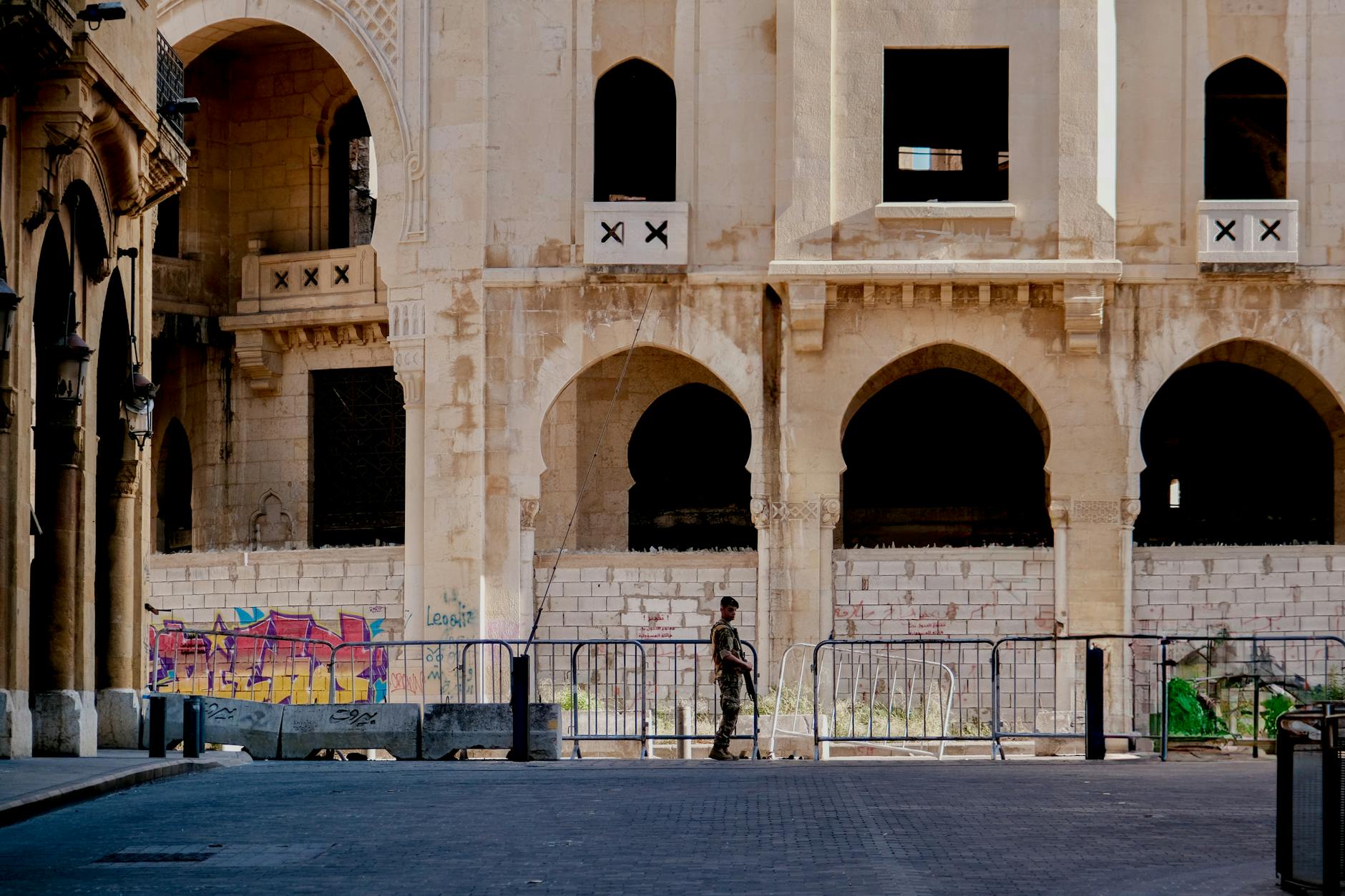
‘To Preserve Security of People’: Lebanon PM Postpones US Visit Amid Escalating Israeli Strikes
In a move underscoring the profound fragility of the Middle East, Lebanon’s Prime Minister, Nawaf Salam, has indefinitely postponed a critical diplomatic visit to the United States and the United Nations. Citing “current internal circumstances” and the imperative to preserve national security and unity, the decision arrives against a backdrop of relentless Israeli military strikes and a stark warning from Iran. This postponement is not merely a scheduling change; it is a potent symbol of a nation caught in the crossfire of regional power struggles, internal political fractures, and the ever-present threat of a wider war.
The Stated Reason: Security and Sovereignty
Officially, the Lebanese government framed the postponement as a necessary step to address domestic priorities. A government statement emphasized the need for the Prime Minister to remain in Beirut “to follow up on the current internal circumstances… and to preserve the security and unity of the people.” This language, while diplomatic, points to the severe strain Lebanon is under. The country faces a multi-dimensional crisis:
- Military Escalation: Daily exchanges of fire between the Israeli military and Hezbollah along the southern border have displaced tens of thousands and raised fears of a full-scale conflict.
- Political Paralysis: The Lebanese state is historically weak, with deep divisions between pro-Iranian factions, led by Hezbollah, and those seeking closer ties with Western and Arab nations.
- Economic Collapse: A crippling financial crisis has rendered state institutions barely functional, creating a vacuum that non-state actors like Hezbollah have filled.
In this context, the Prime Minister’s absence could be seen as a liability, potentially creating a power vacuum or appearing tone-deaf to a population living under the threat of bombardment.
The Unspoken Context: Iran’s Warning and Hezbollah’s Shadow
Beneath the surface of “internal circumstances” lies a more complex geopolitical drama. The postponement came shortly after Iran issued a direct warning to the Lebanese government. Iranian officials cautioned Beirut against any attempt to sideline Hezbollah in potential diplomatic talks with Israel aimed at de-escalating the southern border conflict.
This warning is crucial to understanding the real pressures on PM Salam. Hezbollah is not just a militant group; it is a deeply entrenched political and military force within Lebanon, backed by Iran. Any Lebanese leader navigating diplomacy with Israel or the US must do so with Hezbollah’s red lines firmly in mind. Iran’s message was clear: negotiations that marginalize its primary proxy in Lebanon are unacceptable. The postponed US visit, which likely aimed to discuss security and stability, thus became diplomatically hazardous. Proceeding could have been interpreted as endorsing a US-Israeli agenda against Hezbollah, potentially triggering a severe internal political crisis or even violence.
The Israeli Military Campaign: A Constant Pressure
Compounding the political tightrope is the relentless military pressure from Israel. Israeli airstrikes have targeted Hezbollah infrastructure deep inside Lebanon, but the collateral damage—destroyed homes, agricultural land, and civilian casualties—directly impacts the Lebanese state and its citizens. Israel’s stated goal is to push Hezbollah away from the border, in line with UN Security Council Resolution 1701, but its operations weaken the already-feeble Lebanese government and fuel public anger.
For Prime Minister Salam, traveling to the UN to speak about peace while Israeli jets are striking his country would project profound weakness. His stay in Lebanon, therefore, can also be framed as a act of solidarity and a silent protest against ongoing aggression.
Regional Implications: A Ceasefire Push in Peril
The postponement deals a significant blow to international efforts, led by the United States and France, to broker a ceasefire between Israel and Hezbollah. These efforts are distinct from, but related to, the Gaza conflict. The US visit was likely a key channel to coordinate a diplomatic roadmap.
- Stalled Diplomacy: Direct communication between Lebanese and US officials is now on hold, delaying any potential breakthrough.
- Empowerment of Hardliners: The delay signals that internal and regional pressures (from Iran) can override international diplomacy, strengthening the hands of those who believe in a military rather than political solution.
- Risk of Miscalculation: With high-level diplomacy stalled, the risk of an unintended, escalatory strike along the Israel-Lebanon border increases, potentially sparking the regional war all sides claim to want to avoid.
Analysis: A Nation Trapped Between Multiple Fires
Prime Minister Nawaf Salam’s decision is a stark reflection of Lebanon’s tragic position in Middle Eastern geopolitics. The state is effectively trapped:
- Between Hezbollah and Sovereignty: It cannot fully control its own territory or foreign policy due to the power of an Iranian-backed armed group.
- Between Israel and Security: It bears the brunt of Israeli military actions aimed at Hezbollah, undermining its stability and economy.
- Between Iran and the West: It is forced to navigate the cold war between Tehran and Washington, where one misstep can have catastrophic internal consequences.
The phrase “to preserve the security and unity of the people” thus reads as a tragic euphemism. It speaks to the fear of civil strife, the immediacy of war, and the impossible task of governing a country whose fate is so heavily dictated by external actors.
Conclusion: A Canary in the Coal Mine
The postponement of the US-UN visit is more than a news item; it is a canary in the coal mine for regional stability. It demonstrates that despite international calls for calm, the foundational tensions—the Iran-Israel proxy conflict, the weakness of the Lebanese state, and the unresolved issue of Hezbollah’s arsenal—remain unaddressed and explosive.